





The future of hearing care is Tele-Audiology
Many people have already heard of telemedicine, which allows people to chat with a healthcare professional remotely, but not many have heard of tele-audiology.
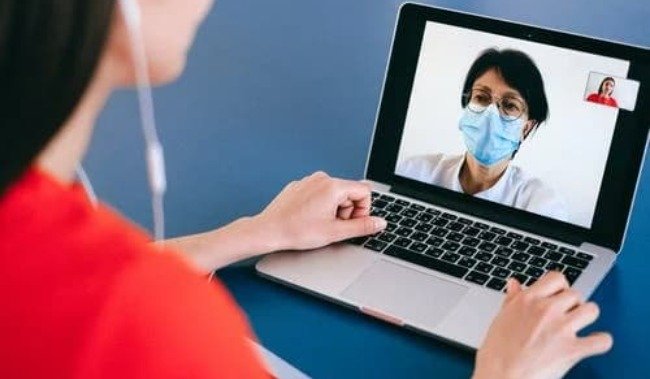
Tele-audiology allows people with hearing loss to receive care remotely. A patient can now use a phone or computer to connect with their hearing care professional, making various services available to the patient from the comfort of their home.
How It Works
Modern hearing aids are designed for remote management, giving you unprecedented control and access to professional care.

App Integration
All modern hearing aid brands include a smartphone app, allowing your provider to securely connect to your devices from anywhere.

Remote Programming
Professionals can remotely program your hearing aids, eliminating the need to physically travel to an office for fine-tuning.

Real-Time Adjustments
Need settings changed? The audiologist makes adjustments in real-time so you can instantly hear the difference during the session.
Synchronous vs. Asynchronous
There are two primary methods for delivering tele-audiology, depending on your needs and equipment.
Synchronous (Live)
Like a live appointment, the audiologist is present and running the meeting via a two-way video stream.
- Requires PC-based equipment and a video connection.
- A technician acts as a physical presence at the patient site.
- Ideal for audiometry, hearing aid fittings, and direct counseling.
Asynchronous (Store-and-Forward)
The audiologist does not need to be present simultaneously. Tests are performed and data is securely forwarded for later review.
- Patient performs an automated test (e.g., GSI AMTAS).
- Results are "stored and forwarded" for professional interpretation.
- Increases access by eliminating wait times for diagnostic audiometry appointments.
Endless Applications
Tele-audiology provides improved equity of access to care, reduced travel costs, and flexibility. Here is who benefits the most:
Overcoming Distance & Mobility
Dramatically improves care for patients located far from clinics, or those unable to travel due to mobility limitations, childcare issues, or lack of family transport.
Support for the Elderly & Memory Care
Ideal for homebound older adults or nursing home residents. Patients with dementia often require multiple fine-tuning visits, which tele-audiology makes effortless for caregivers.
Family Involvement
Caregivers and family members can easily join sessions to listen in, helping the patient remember instructions and counseling they might otherwise miss.
Services Available Remotely
- Hearing aid programming
- Aural habilitation/rehabilitation
- Counseling & outcome measurement
- Diagnostic hearing assessments
- Infant hearing screening
- Internet-based treatment for tinnitus
*Most states allow licensed audiologists (and some allow hearing instrument specialists) to implement tele-audiology.