






What Is Tinnitus?

Helping people manage their tinnitus is one of our specialties at Hearing Associates of Las Vegas. If you believe you might be suffering from tinnitus, read through our tinnitus overview for what tinnitus is, its causes, ways to treat tinnitus and much more.

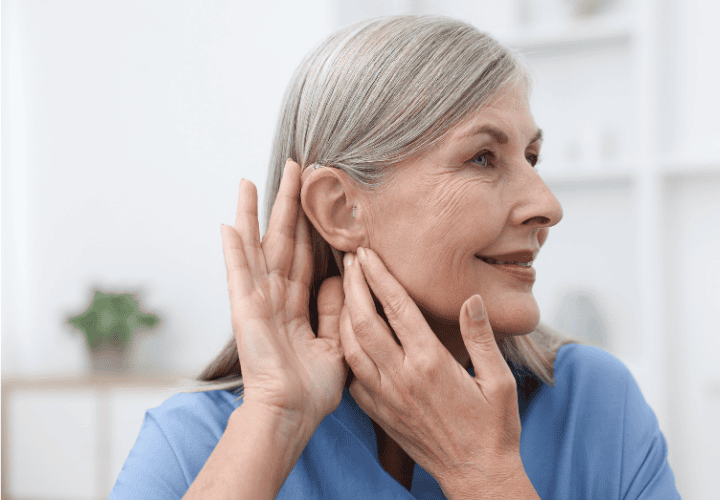
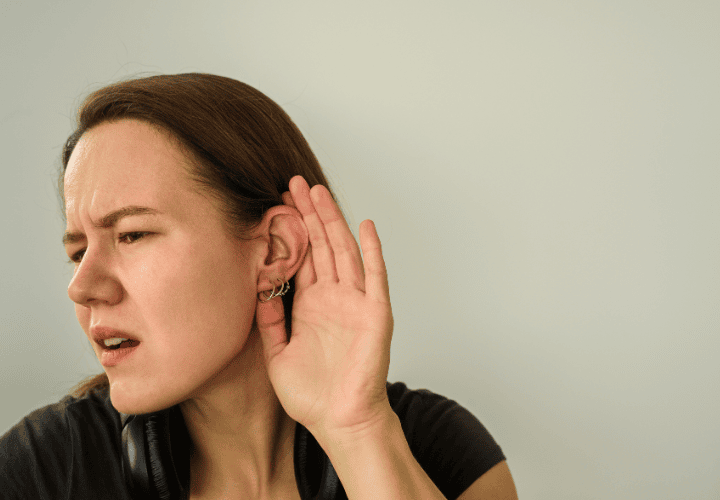
Tinnitus is identified as a continuous background sound which the sufferer may hear as a buzzing, ringing, roaring, hissing, or clicking sounds. These sounds can vary in pitch and you could have either unilateral (single ear) tinnitus or bilateral (both ears) tinnitus. It is possible to have continuous tinnitus or struggle with tinnitus which comes and goes.

There are three types of tinnitus:

Temporary tinnitus

Many people deal with temporary tinnitus which usually does not last longer than 5 minutes.
Subjective tinnitus

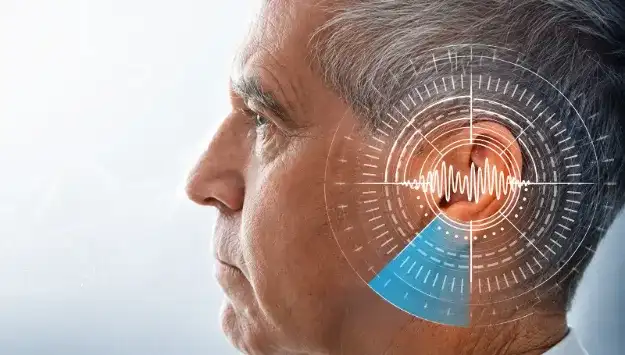
This is the most common type of tinnitus, where only the person suffering from tinnitus can hear the sounds. When you have this kind of damage, damage can have occurred anywhere along your hearing pathways to produce the tinnitus symptoms. These symptoms can range from mild to severe.

Objective tinnitus

There is a rare kind of tinnitus which can be heard by a hearing specialist during an ear exam. It can indicate that there is a serious problem with the bones in your ear or other problems.

Temporary tinnitus

Many people deal with temporary tinnitus which usually does not last longer than 5 minutes.

Subjective tinnitus

This is the most common type of tinnitus, where only the person suffering from tinnitus can hear the sounds. When you have this kind of damage, damage can have occurred anywhere along your hearing pathways to produce the tinnitus symptoms. These symptoms can range from mild to severe.


Objective tinnitus

There is a rare kind of tinnitus which can be heard by a hearing specialist during an ear exam. It can indicate that there is a serious problem with the bones in your ear or other problems.


Since there is no external way to tell the difference between subjective tinnitus and objective tinnitus without an exam, it is important that you have your tinnitus .

Checked by tinnitus experts.

How Tinnitus Sounds

It can be hard for those who do not have tinnitus to understand what is like to live with tinnitus. Even those who do suffer from tinnitus can feel isolated and doubt their experience, as no one can hearing their tinnitus.

01

Tinnitus Sound 1:

4000 Hz Tone

02

Tinnitus Sound 2:

7500 Hz Tone

03

Tinnitus Sound 3:

Tea Kettle

04

Tinnitus Sound 4:

Buzzing or Cicada

05

Tinnitus Sound 5:

Static

06

Tinnitus Sound 6:

Screeching

07

Tinnitus Sound 7:

Electric

08

Tinnitus Sound 8:

Roaring

Potential Causes Of Tinnitus

There are a variety of reasons a person may suffer from tinnitus. By understanding potential causes, you may be able to prevent mild-to-moderate tinnitus symptom flare-ups. However, some factors are unavoidable.

Loud noise exposure

As tinnitus is often a side effect of hearing loss and 1 out of 3 seniors over the age of 65 reports a degree of hearing loss, it is not surprising that many seniors often suffer from tinnitus.

Earwax

An excess of earwax or impacted earwax can cause tinnitus symptoms as sounds which make it past the blockage can become trapped. We offer cerumen management and can safely remove the excess earwax for you.

Neck or head injuries

The nerves in your head and the delicate bones in your ears can be affected by neck and/or head injuries, causing either temporary or permanent tinnitus symptoms.

Medication

Some medications are ototoxic, which means they have the potential to damage the user’s hearing. The effects can range from temporary to permanent hearing loss, so be sure to talk to your doctor about potential side effects before you begin a medication regime.

Who Is Affected By Tinnitus

When it comes to tinnitus, you don’t have to feel alone. Over 50 million Americans have dealt with tinnitus symptoms to some extent and that number is rising as more people are seeking hearing services to help manage their tinnitus. But there are some demographics which can be more at-risk to tinnitus than others.

Seniors

As tinnitus is often a side effect of hearing loss and 1 out of 3 seniors over the age of 65 reports a degree of hearing loss, it is not surprising that many seniors often suffer from tinnitus.

Musicians

Constant exposure to loud levels of music often damages the hearings of musicians. Some famous musicians who suffer from tinnitus are Will.i.am from the Black Eyed Peas, Phil Collins from the band Genesis, and many others.

People with Hearing Loss

Reduced hearing can make ringing, buzzing, humming, or other unwanted sounds more noticeable, especially in quiet environments where there are fewer external sounds to distract from tinnitus.

Earbud users

With the level of sound that can be piped directly into the ears by earbuds, it is not surprising that regular earbud users suffer from a certain amount of hearing damage and tinnitus.

Construction workers

Many construction zones can run at 90 decibels and higher depending on what tools are being used, which is the decibel level when hearing damage can occur. Wearing hearing protection gear is vital to protecting this demographic from tinnitus and hearing loss.

Smokers

Regular smokers are more susceptible to tinnitus as the nicotine in cigarettes interferes with the auditory nerve’s ability to receive transmissions from neurotransmitters.

Ways To Treat Tinnitus Symptoms

Once you have a permanent form of tinnitus, there is no known cure at this time. However, there are many options when it comes to treating tinnitus. With Hearing Associates help, you can manage your tinnitus and receive real relief from your symptoms.

Sound therapy

We have a variety of sound therapy options available so you can choose the one which helps you relieve your tinnitus symptoms. You will also receive tinnitus management help along with sound therapy. Some sound treatments our patients have seen success with are:

The Levo System

A personalized sound therapy system designed to help manage tinnitus and provide soothing relief through customized sounds.

What Causes Hearing Loss in Older Adults?

Neuromonics

A personalized therapy program that uses customized music and sound to help manage tinnitus and reduce its impact on daily life.
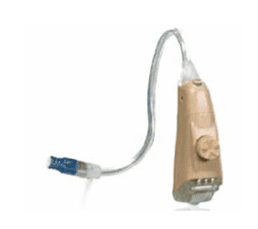
Tranquil Tinnitus Sound Generator

A compact sound therapy device that provides gentle, soothing sounds to help mask tinnitus and promote relaxation.
Hearing aids

Tinnitus and hearing loss are linked disorders, and many times by improving your ability to hear more, your tinnitus symptoms will decrease. This makes hearing aids a natural choice to help manage tinnitus. Some hearing aid tinnitus support programs which have been particularly helpful are:

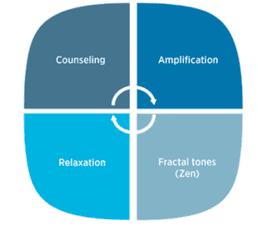
Widex Zen Therapy

A personalized tinnitus management approach that combines soothing tones, counseling, and relaxation techniques to help reduce the impact of tinnitus.
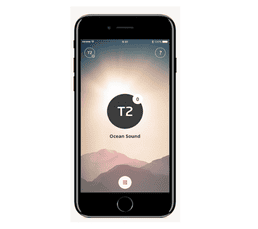
Oticon SoundSupport

A built-in tinnitus support feature that provides customizable soothing sounds to help mask tinnitus and make it easier to manage.

ReSound Relief

A personalized tinnitus management app that uses soothing sounds, relaxation exercises, and guided support to help reduce the impact of tinnitus.

Counseling

There is a mental toll on a person who is suffering from a sound that no one else can hear. Hearing Associates offer counseling and tinnitus management aid to help people overcome the mental aspects of living with tinnitus.

Relief studio

When you just need a quiet place to rest and escape from your tinnitus, Hearing Associates has designed a one-of-a-kind Tinnitus Relief Studio. Be sure to contact us and set up a consultation with one of our tinnitus experts so we can help you find the right tinnitus treatment course for you.